










How To Get Work Experience For Medicine In The UK: Even Without Contacts
If you want to study medicine then you will need to conduct some medical work experience. Having contacts within medicine can often be the easiest and simplest way to access this. Contacts could include a family member, a family friend, or even the parent of a friend at school. If you do have these contacts then you should make the most of them. However, medical schools understand that not everyone has access to contacts, and many admissions tutors actively want to address this inequality. Therefore you are not at a significant disadvantage if you do not have any contacts, you might just have to work a little smarter and harder, and be a little more organised to secure effective work experience.
This article will explain how to secure medical work experience even if you don’t have any personal contacts already working within medicine.
What medical schools actually want to see
Admissions tutors at UK medical schools care significantly more about what you gained from your work experience than the prestige of its title. A student who has made the most of every opportunity accessible to them and chosen their work experience thoughtfully may have a stronger application than someone who shadowed a family member at their highly prestigious private medical clinic. A student who can show that they are engaged whilst completing their work experience and who has reflected deeply on the experience afterwards will meet the criteria of admissions tutors no matter what medical setting they undertook it in.
Medical schools evaluate the seriousness with which you treat the experience and the effort that you put into getting as much out of it as you can. Therefore, not having contacts does not need to weaken an application to medical school. Many current medical students have succeeded without them.
Here are some questions that medical school admissions tutors will ask themselves when reading your personal statement and evaluating your work experience:
- Has the student made the most of the opportunities to gain relevant experience available to them?
- Has the student chosen their experience carefully and in accordance with the medical interests they claim to have?
- Has the student made every effort to maximise their experience whilst partaking in the opportunity?
- Has the student reflected on their time conducting work experience in a way that shows it was meaningful to them?
You will notice that answering these questions well does not depend on the prestige of your work experience or whether you got it through personal contacts. Meeting these criteria depends on the commitment and effort you put into the opportunities available to you.
Use this step-by-step-guide to maximise your chances of securing impactful medical work experience without contacts.
Step 1: define age, location, availability, travel and experience-type constraints
You should spend some time thinking about what kind of work experience will best suit your needs and most strengthen your application. Write out a list of your requirements. Here are some things to consider:
- How old will you be when you expect to undertake work experience? (Many opportunities have age restrictions.)
- Where can you conveniently travel to for the experience? Do you have someone who can drive you there each day? If travel is difficult, you may need to consider virtual options.
- When are you available? Many work experience opportunities only run during certain weeks of the year (e.g. during the summer or Easter school holidays) so may not all be feasible for you.
- What are your medical interests? Any medical work experience is better than no experience, but the strongest applicants will be able to demonstrate that they have developed a sustained interest in a particular field of medicine and pursued that by finding relevant work experience.
- What work experience do you already have? Demonstrating a range of experiences is useful in your application. If you have already undertaken experience where you observed a GP surgery, it might be useful to seek something more hands-on (e.g. in a care home).
You should remember that all work experience can be relevant to some extent. Turning up to work each day shows reliability. For example, if you have worked in a coffee shop you will have gained valuable communication skills and shown that you can work under pressure.
Step 2: build a target list
Once you have answers to the questions above, use this tool to find suitable work experience that meets your requirements. There are lots of opportunities available but some will not be suitable (based on the above questions).
NHS trusts, GP practices, care homes, hospices, pharmacies, charities and virtual providers
Click here for guidance on how to write the perfect email asking for work experience.
The different types of medical work experience are set out in detail here. Here is a brief summary to get you started.
NHS trusts:
NHS trusts manage hospitals, or groups of hospitals in one area. They are the main bodies responsible for offering work experience within hospitals. Most of the experience that NHS trusts offer is observational (meaning you will shadow a clinician or other healthcare professional but not partake in anything practical).
Usually these opportunities are distributed via a competitive application process with strict deadlines. Whilst some trusts do allow for ad-hoc placements, these generally have to be organised directly with the clinician whom you will be shadowing so will be more difficult without contacts. If you don’t know anyone who can let you shadow them, but need to access an ad hoc placement, it is still worthwhile emailing one or two clinicians who work in the area that you are interested in. Do not send out generic or mass emails. Clinicians often work closely together and will know if they have all received the same email (this looks bad on you). Instead, carefully set out to each person you contact why you find their area interesting and what you hope to gain from observing them. Each email should be tailored to the person you are asking to help you. Remember that clinicians are extremely busy and have no obligation to offer work experience placements so you should approach them in a way that shows that you understand this.
GP Practices:
GP practices are usually run independently and therefore are each responsible for managing their own work experience opportunities. Similarly to the shadowing placements offered by NHS trusts in large hospitals, work experience in a GP surgery will almost always be observational only.
Whilst some GP surgeries may have a formal application process, for most you should contact the practice manager. In your email, you should set out why you would like to undertake work experience at their practice, why you would be a good candidate to do so, and what you hope to get out of it. Also include practical details such as when, and for how long, you would like to attend (try to be as flexible as you can).
Care Homes / Hospices / Charities / Pharmacies:
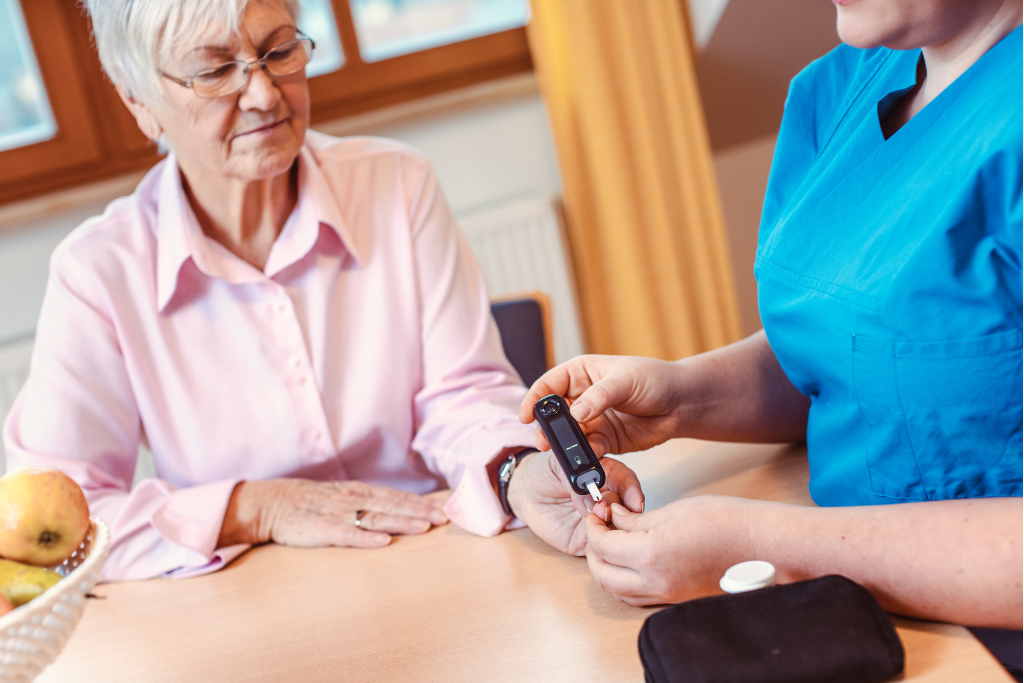
The wider care and medical sectors can also be useful sources of relevant work experience for a medical school application. Care homes, hospices, disability charities and pharmacies are directly adjacent to medicine and will therefore give you many of the same experiences. In a hospital, you will almost always only be permitted to observe the work of clinicians; however, in non-clinical settings you will sometimes be granted more responsibility. This can look great on an application and is therefore worth considering.
There are rarely any structured programmes in place for work experience in these settings. Therefore you will have to take the initiative in organising them yourself. Start by doing some research to find out who is likely to make decisions on work experience placements. For large organisations this may be the human resources department, for smaller ones it will usually be those in leadership roles for the whole business. Charities often rely on the work carried out by volunteers so will usually have a dedicated person tasked with coordinating the intake of new volunteers.
Virtual work experience:
There are many virtual medical work experience opportunities out there. Many of them will allow you to gain valuable experience and many medical schools view them favourably. This article lists and explains some of the best ones.
Virtual work experience is the most accessible form. Most programmes do not restrict who can enrol, and those that do generally only restrict by age range. Most take between ten and twenty hours to complete in full, including reflection tasks. Typically they will consist of a series of videos where members of a medical department will explain their respective roles. Some are interactive, including quizzes and reflection exercises.
Because completing a virtual work experience programme is less of a commitment than completing an in-person work experience placement, it is even more important here that you spend time reflecting on what you have learnt. A personal statement that simply lists virtual work experiences completed without elaborating on what the student has gained from them will likely be viewed unfavourably by admissions tutors.
Step 3: find the right contact
As detailed above, the application process for work experience opportunities falls into two main categories. On one side are work experience programmes that have a formal application process (usually observational placements with NHS trusts, as well as virtual work experience). On the other are opportunities where you are expected to be proactive (e.g. at GP surgeries, care homes, pharmacies, and ad-hoc placements at large hospitals). Finding work experience outside of a structured programme shows initiative and can therefore help to demonstrate commitment on a personal statement.
Work experience in this second category requires you to reach out to someone directly to introduce yourself and request it. You will need good communication skills to succeed here. Whilst providing work experience to students can sometimes be time consuming for medical professionals, most understand its importance and are therefore happy to help out students who they feel are sufficiently committed and who will get the most out of it.
Finding the right person to contact can sometimes be tricky. For example, whilst you will find it easy to obtain the name of the practice manager of your local GP surgery via their website, it is highly unlikely that their email address will be in the public domain. In this case, you could try emailing or phoning reception to ask for them to provide you with their contact details. They may not be willing to do so, in which case you should write to the practice manager via the publicly available surgery email address. Include a short note at the start of your email asking for the staff at reception to pass your message along to the practice manager. It may be helpful to visit the practice directly and speak to the reception staff. The manager may be in and willing to speak, briefly, to you directly so be prepared to explain why you want to conduct work experience on the spot.
If you are seeking to organise an ad-hoc observational work experience opportunity in a hospital, you will need to get in contact with the clinician directly. Firstly you should check whether clinicians at the hospital you are targeting accept ad-hoc requests (check the work experience page of the NHS trust’s website). If they do, then do some research to see which clinician will be best suited to fit your interests. Finding their direct email will be difficult, but most NHS trusts publish the best email to reach them on. This will likely be a centralised address for their department. Write to them directly at this address (but include a note asking for the message to be passed on).
Other work experience settings, such as care homes, hospices and pharmacies, should generally be contacted directly. Find the email for the business leader if you can, but often only a generic reception address will be publicly available. If there is only a generic email address available, send an email directed to the person in charge to that address setting out why you want to undertake work experience with them.
As mentioned above, charities rely on volunteers. If you are conducting work experience with a charity, you will usually be seen as another of their volunteers and therefore it will often be best to approach them through their dedicated volunteer recruitment channels. This might be an official online form, or an email address dedicated to volunteering enquiries. As with any other case where you are approaching an organisation for the first time, set out clearly why you would like to gain work experience with the charity, why you are interested in their work, and what you hope to gain from the experience.
Step 4: prepare the request
Once you have found the right person to contact at your target organisation, you should spend some time crafting the request. Treat this with the seriousness of an application to any other work experience programme. Someone will be giving up their time even to read your email and you should respect them by putting effort into how you write it.
Your email needs to cover three main things:
- Who you are
Introduce yourself briefly at the very start of your email: e.g. “I am a 16-year-old aspiring medical student in Year 12 at Moordale Sixth Form studying Chemistry, Biology and Maths.”.
You might also want to attach a CV to your email. They are not expecting you to have much on this (that is the whole point of work experience). However the fact that you have gone to the effort of producing one shows that you take your work experience search seriously.
You should also tell them why you are emailing. This would be a good second line to your email: e.g. “I am emailing to enquire about the possibility of conducting a short work experience placement at…”
- Why you want to undertake work experience at this particular organisation
Next, you need to tell them why you are interested in conducting work experience at this organisation. It is vitally important that you are specific here. It will appear to be much less genuine if you give generic reasons why you want to do some kind of medical work experience (e.g. to get into medical school, to learn about the medical profession). The more that you can say about the organisation that you are contacting the better. Do some research on the kind of work that they do and tailor your email to this.
If you have spent time thoughtfully choosing which organisations to approach to fit your interests, then this part should not be too difficult. Hopefully the work of the consultant, business, or charity that you are contacting will have some relevance to your medical interests. Now is a good time to explain what those interests are and how this particular work experience will help you to develop and explore them.
- What you can help them with
You may like to include a sentence or two indicating what your key skills are. Focus on how they will add value to the organisation. You might highlight your strong work ethic or good people skills.
This is a good opportunity to think about what transferable skills you have learnt at school. You might like to mention any leadership roles you’ve had or places where you have shown responsibility (e.g. a role on the school council or as captain of a sports team). Additionally, don’t forget about soft skills. Soft skills are your habits, traits, and social skills that demonstrate that you are able to work and communicate effectively with others.
This is an opportunity to show that you understand what you are getting yourself in for. For example, don’t talk about how good you would be at performing surgical tasks if you are requesting an observational placement at a GP (since you will not be doing this).
Don’t overdo this section. You are still at the start of your medical school journey. Employers are not expecting you to have any specific skills, and your responsibilities will be limited. Foreground qualities like reliability and trustworthiness.
Dates, flexibility, and parental consent
In addition to the three main elements listed above, it is essential that you give the person whom you are emailing all of the practical details that they need. They don’t want to have to reply asking when you are available since this will take up more of their time and make it less likely that they will be willing to offer you the experience.
Make clear the dates that you are available. Try to be as flexible as possible but be realistic. There is no point saying that you are available all of the time and then having to spend time telling them that you aren’t later.
Make clear that you have received any necessary parental consent.
For more detailed information on how to write an email like this, including an example and a template, click here.
Step 5: send, track and follow up
Read over your email for typos (and have a parent or teacher check it if you can).
Make a list of the people that you have contacted. Set a reminder for a date two weeks after your initial email to follow up. A follow up email should be polite and short. It should not beg for a response.
You might like to write: “Just following up on the below. I completely understand if you are not able to offer work experience but wanted to check that you have not missed my email.”
Step 6: use a contingency ladder after rejection
If you are contacting an organisation that does not have a routine work experience programme in place, it is possible that they are simply unable to offer any opportunities, or perhaps they have already accepted too many students. In any case, you should be prepared to be rejected. This does not mean that you are not deserving of work experience and should not be considered a reason to stop your search.
If you do not hear back within two weeks of your follow up email, or if you receive a message to say that you cannot conduct your work experience at a particular organisation then you should have a backup plan.
Refer back to the list of suitable opportunities you made in Step 2. If the one at the top of the list rejects you then move to the second on the list. With persistence you will be able to find somewhere that you are excited about.
Suggested timeline for Year 12, gap-year and graduate applicants
If you are primarily seeking work experience to aid your application for medical school then it is best if you have completed this with enough time to reflect upon it and include it in your personal statement. The UCAS deadline for medicine is in mid-October of your final year of school. The summer holidays directly preceding this (i.e. those between Years 12 and 13) make the most sense as the primary period in which to conduct work experience. The Easter school holidays preceding this are also a popular time for students to conduct work experience.
Medic mind runs a series of Medicine Summer Career Camps during the school summer holidays. Enrolling on one of these will give you access to industry experts and exclusive opportunities which will look great on your application. In addition, Medic Mind can provide you a week-long placement at a GP surgery throughout the year without the hassle of contacting the surgery and setting this up yourself.
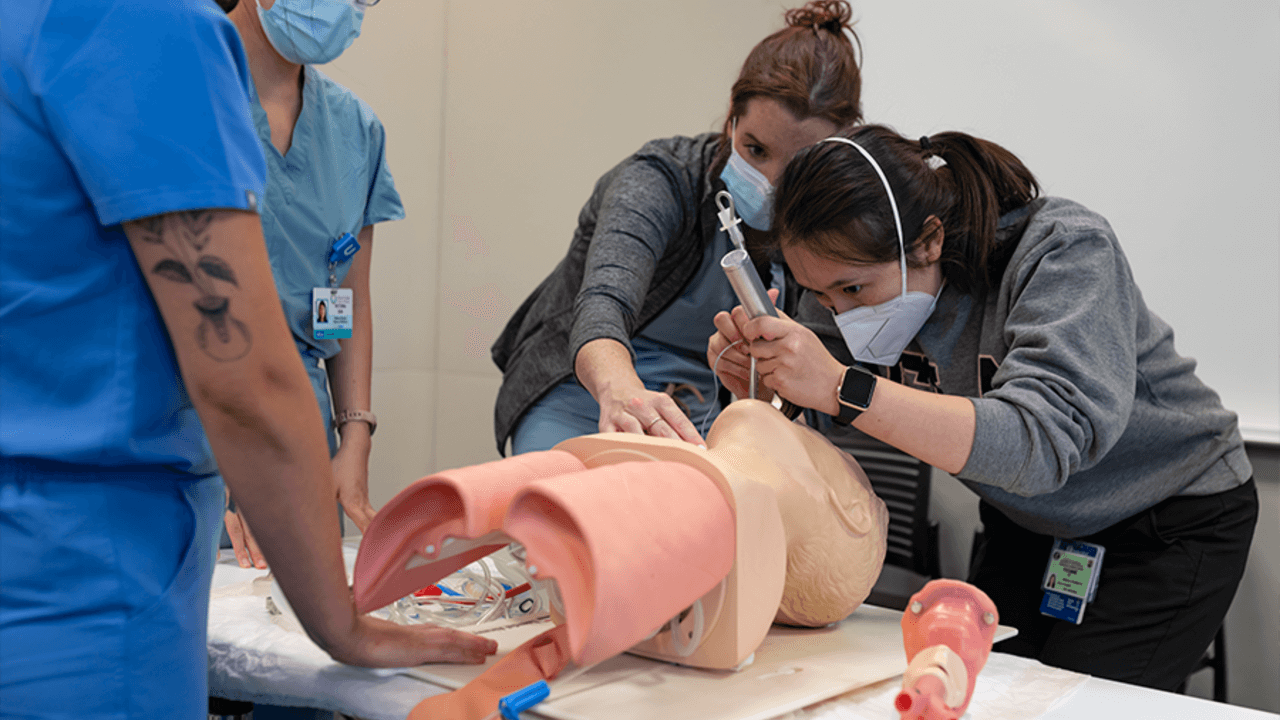
If you want to arrange your own work experience at this time then you will need to be organised, since lots of other students will also be looking to do the same thing. You could start looking for experience straight after Christmas, requesting a slot during the Easter holidays. This will give you the fallback option of arranging something for the summer if you cannot find anything in the spring.
For graduate or gap-year applicants who are not bound by the school calendar, start looking as soon as possible after you decide to apply to study medicine. If you find some experience quickly then you may have time to fit in another programme before the deadline in mid-October. Many structured programmes will be scheduled to coincide with the school holidays. Therefore, if you have flexibility you might find success by arranging something outside of these times.

How to make the experience useful
Having a clear set of goals as to what you want to get out of your medical work experience will be helpful in making it as useful as possible. There are two main categories of outcome that you might be looking for:
Clarification of your interests
If you are primarily looking to have your interest in pursuing a career in medicine clarified or confirmed then you should spend time reflecting on how you feel whilst at work and whether your excitement and interest in the tasks that you are carrying out (or observing) is sufficient to motivate you.
This is a difficult thing to grasp in yourself from a short work experience so do not be hard on yourself if you don’t manage to get a full understanding of what you want to do as a career whilst you are there. Continue to reflect in the weeks and months after your work experience has finished. Are you excited at the prospect of doing something similar soon, or do you find yourself dreading it? These emotions may well help you to clarify whether medicine is right for you.
A stronger medical school application: personal statement and interview
The second factor that may be motivating you to undertake medical work experience is a desire to strengthen your application to university. Medical schools insist that applicants have gained an understanding of what a medical environment is like and work experience is the most effective way to demonstrate this. You will also find work experience useful in providing material to discuss in a possible interview.
Reflection is also key to accomplishing this objective. Your reflection will be slightly different in this case since it is oriented towards producing something (i.e. a personal statement). You should keep a diary of all of your experiences and for each, make a list of what you learnt from them. However, a reflection diary of your work experience should be far more than a list of experiences.
Keeping a reflective diary
Use the following prompts to reflect on each component of your medical work experience:
- What about this experience was new to me?
- What about this experience surprised me?
- What about this experience did I feel comfortable in? Which elements felt beyond my current abilities?
- Where could I apply prior skills and knowledge to this experience?
- How does this experience inform my decision to apply to medical school?
- How will I build upon this experience when continuing to explore a medical career in future?
FAQs
Q: Is it possible to get medical work experience without contacts?
A: Yes, absolutely! Whilst contacts within a medical organisation can provide a shortcut, there are lots of ways to get work experience without them. You can apply for a structured programme, or if none of these fit your needs, arrange your own experience by contacting someone directly.
Q: How do I arrange work experience at a GP surgery without contacts?
A: The practice manager is responsible for deciding who is given work experience at each surgery. If you can find their contact details publicly, then send them an email setting out why you want to conduct work experience at their GP surgery. If you cannot, send an email addressed to the manager, to the reception of the surgery and ask for it to be passed on.
Q: Does all experience look just as good on an application?
A: No, different kinds of experience vary in their ability to demonstrate your commitment to gaining an understanding of a range of medical settings. A week of volunteering with a disability charity looks better than clicking through some slides on a virtual work experience. However, the prestige is not what is important. Experience in your local care home can look better on an application than an observational placement at a large hospital if you spend the time reflecting on the experiences properly.
Comments
0No comments yet. Be the first to ask a question!