





Medicine Work Experience Near Me: UK Opportunities by Region (2026/27)
Relevant work experience is a vital part of your application to UK medical schools. This guide and interactive tool will help you to secure it.
Introduction: the fastest way to find a suitable local opportunity
The fastest and most time efficient way to secure local medicine work experience is by clicking here to sign up for Study Mind’s medicine Summer Career Camp. However, this isn’t your only option. This guide will break down the different kinds of work experience opportunities available to you and gives a step-by-step guide to selecting the most applicable opportunities.
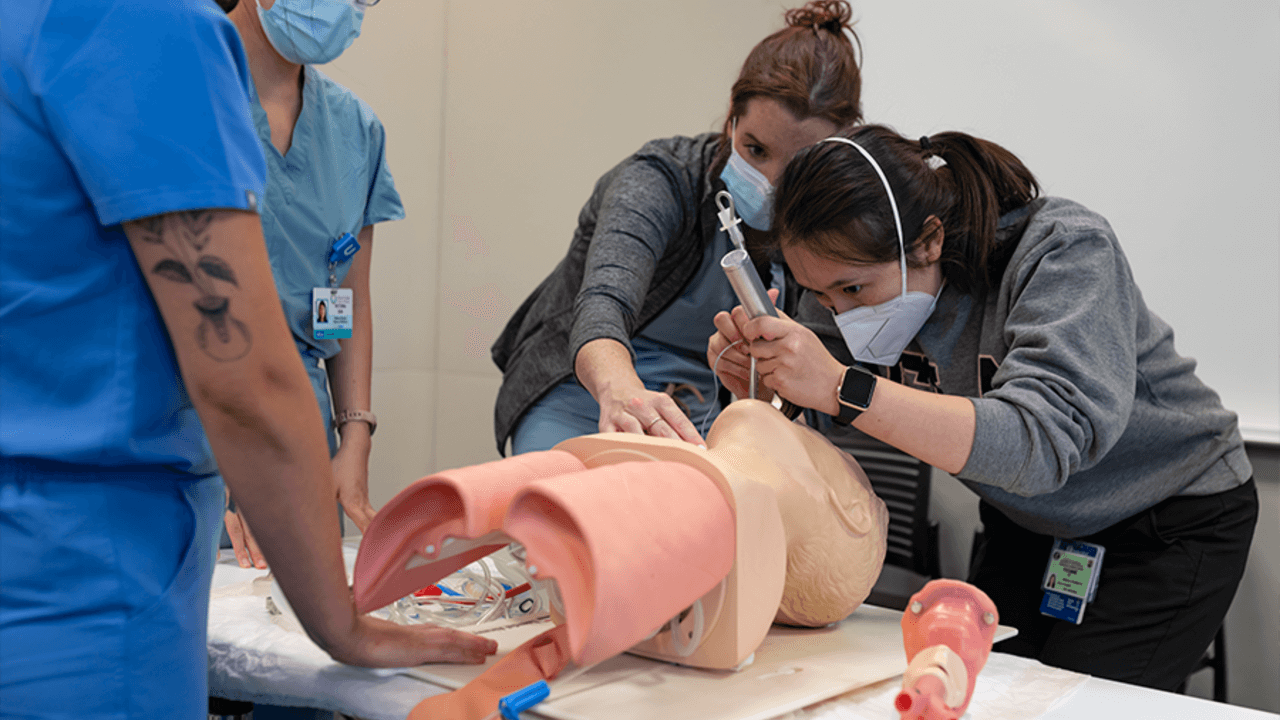
What counts as medical work experience?
There are so many different types of work experience on offer that it can sometimes be bewildering. We understand the stress that comes with arranging work experience and are here to guide you through each step. Firstly, you should be reassured that medical schools are fairly flexible regarding what counts as work experience. Students often assume that the only kind of work experience that counts, is directly medical. When they think of medical work experience, they imagine a hospital or GP surgery.
However, it isn’t true that medical schools only care about work experience placements in these settings. They want to see applicants that have used every opportunity that they can. You just need to show that you have taken every opportunity to develop skills relevant to a future career in medicine. As long as you have done this, you will be fine!
If an applicant to medical school can show that they have demonstrated calm communication under pressure whilst dealing with difficult customers at their retail job, or excellent leadership whilst refereeing a football match for a local under 11s league then this will contribute to an application. You need to show that you have taken on responsibility, been caring and come into contact with people from as many backgrounds as possible. It is possible to show this in a range of roles – and even if you live far from a big city hospital.
Even though it is possible to use other kinds of work experience to strengthen your application to medical school, this guide is focused on the best way to gain medical experience.
This is how you can gain medical work experience near you:
- Submit an application to a local hospital (applications are often competitive and may require you to live in a certain area). Pay attention to the application deadline.
- Contact the manager of a local GP surgery to request a placement and outline the reasons why you are a good candidate. They may ask you fill out an application form.
- Make use of any family or friends who work in medicine and might be able to get you in.
- Secure your place on Study Mind’s Summer Medicine Career Camps.
Observing healthcare professionals
The most common form of medical work experience is an observational placement. Here, you will spend time observing the work of healthcare professionals which will allow you to gain insight into what their role entails. Often, observational placements last between one and three weeks. Observational placements can take place in a broad range of clinical areas, including GP surgeries. In some cases you might be invited to sit in on patient consultations (as long as the patent consents and you sign the relevant confidentiality agreements) to gain a sense of what it takes to diagnose illnesses. Another observational placement might involve spending time embedded in a radiology department at a major hospital observing radiographers performing X-rays and CT scans.
As part of an observational medical work experience placement, you will usually get to spend time 1-1 with a range of medical professionals and will have the opportunity to ask them questions about what their role looks like on a day-to-day basis.
Not all departments will allow observational placements. For example, emergency departments rarely allow access. If you are looking to conduct experience within A&E, you will have to search for an NHS trust that allows this (and be prepared that very few do).
Caring and service roles
Finding work experience in caring and service roles will allow you to take on more responsibility than when observing medical staff. Instead of observing high pressure and technical work as with an observational placement, you will now be working in a more relaxed setting where you can be given more responsibility. You can find these kinds of opportunities within the NHS, but students have also found success looking further afield. For example, asking care homes, disability or mental health charities if they might be willing to give opportunities for work experience has been helpful for students in the past.
You will be given a caring or service role to carry out under the close supervision of full-time staff. Bear in mind that although you are likely to be working with elderly, sick or disabled people, you are unlikely to be doing so in the same way that a doctor or GP might. When conducting work experience in a caring or service role, you might help to serve food or lead group activities rather than diagnosing or treating their illnesses.
These kinds of placements look good on a CV, not only because they show that you have an idea of what takes place within a medicalised environment, but also because they demonstrate that you have the necessary interpersonal skills. Medicine isn’t only about technical mastery but also about interacting with and caring for vulnerable people. Care work is often hard work that is perceived as less glamorous by wider society, so showing commitment here can make your CV stand out.
In many cases you will also find opportunities for non-clinical work experience. Non-clinical medical work experience includes various roles in hospital administration, work on a reception desk or helping patients find their way around the hospital. Non-clinical work experience in a medical setting can be just as valuable as clinical because you will get a greater opportunity to take on responsibility.

Paid work
Paid work can sometimes count towards a strong CV when applying for medical school. Any paid work indicates that you can meet some basic requirements such as reliability and timeliness, and will develop many transferable skills. Don’t be too narrow when thinking about what paid work might help an application to medical school. Even working in a shop or restaurant builds the kind of people skills that medicine admissions officers will look for.
Virtual work experience
Virtual work experience has become much more popular in recent years. Since increasing amounts of medical care now takes place online and over the phone (e.g. virtual GP appointments), these programmes can provide valuable insights. Remember, medical school admissions officers are looking for candidates that have demonstrated that they have a rounded understanding of the medical profession. You should try to ensure that any virtual work experience that you complete helps you show that you have achieved this.
Reflection matters more than prestige
It is simple to assume that the most prestigious work experience will always boosts your application the most. Prestigious work experience might include shadowing a consultant surgeon at a large and famous hospital such as Guy’s and St Thomas’ in Central London. However, medical schools are clear: they care more about what you have learnt, and the commitment you showed, than the name of the hospital. Admissions officers want to know that you have achieved insight into how medicine operates in practice and that you have reflected in depth about what you have experienced. Undertaking experience at a local GP surgery does this just as well as a large hospital. Apply for the work experience that gets you excited, but that if you end up at your second choice you shouldn’t worry.
It is important to demonstrate reflection, because this differentiates the students who merely turned up, from those that engaged thoroughly with the opportunity. It will be useful to keep a diary during your work experience. In this, you should make a note of what medical procedures or examinations you have observed, any useful information gleaned from conversations with medical staff, and most importantly how you felt about what you saw.
The STARR method is useful when reflecting. STARR stands for situation, task, action, result and reflection. Write a couple of sentences for each of the below. Repeat this for each experience you have during your placement.
- Situation: Set the scene by describing what happened?
- Task: What did you have to do in this situation? What was your role?
- Action: What steps did you take to fulfil your role in the situation?
- Result: What was the outcome of your actions?
- Reflection: what went well in how you acted? What could you do better in future to improve?
Why is medical work experience useful?
Medical work experience is useful for three main reasons:
- It will help you to clarify which area of medicine most interests you, and confirm whether studying medicine is the right career choice for you.
- It is an essential topic to discuss in a medical school interview when you are asked about which skills you have developed.
- Demonstrating commitment to medicine in your personal statement is essential.
Reflecting on your work experience will maximise the usefulness of your work experience in all three of these areas.
How will medical work experience feature in a medical school interview?
Interviewers for medicine courses at university will often ask directly about your work experience. They might simply ask you to describe what you learnt from it, or ask whether anything took place that challenged your assumptions about what a career in medicine might be like. Making a note of your reflections directly after completing work experience will give you something to read over before your interview.
Medicine work experience by region
To find local medical work experience you will need to engage directly with medical services near to you. The following guide gives a place to start for each region of the UK. If you can’t find any suitable local work experience using the guide below, or if you have missed the deadlines to apply, we encourage you to consider our immersive work experience programmes at partner GP practices across the UK. You can book these here.
This guide focuses primarily on placements within hospitals. To arrange work experience at a local GP surgery, you should find an email address for its reception or manager and contact them directly to request this.
Use this interactive tool to locate medical work experience near you
London and the South East
London has an array of large hospitals, many of which accept applications for work experience. For example, Imperial College Healthcare NHS Trust offer face-to-face observational medical work experience where you will have the opportunity to shadow an NHS consultant for one to five days. In addition, Imperial College Hospital runs a virtual work experience programme. If you live in West and North West London, then you can apply through your school. Similarly, if you go to school in Lambeth or Southwark then you can apply to Guy’s and St Thomas’ hospital directly for a four-day observational placement during the summer holidays. If you live outside London to the south, then you might find it useful to look at the work experience offered by the Maidstone and Tunbridge Wells NHS Trust, to whom you can apply directly for observational placements during the Easter and summer holidays.
London can be a very competitive place to secure medical work experience but with good forward planning and the right support it is possible. You may also find it helpful to consider Study Mind’s medicine Summer Career Camp in central London.
East of England
If you live in Essex then you will find Essex County Council’s dedicated Experience Hub tool to be useful in locating relevant local medical work experience. Via the Experience hub’ you can apply for all of the opportunities available across Essex. If you live in Norfolk, you will find it useful to look at what is offered by the Norfolk and Norwich University Hospitals NHS trust. They offer a structured, three-day insight week where you can attend talks, tours and interactive sessions in numerous clinical departments as well as ad-hoc observational placements.
Midlands
If you live in the Midlands, then the simplest way to secure local medical work experience is to book an immersive observational programme at a Birmingham GP practice with which we partner. You can book this instantly here.
Alternatively, Birmingham University Hospitals offer both observational work experience opportunities and structured work experience programmes. You should contact the department in which you are interested in conducting the experience directly to arrange this.
North West
In Manchester, you will find volunteering opportunities through the Manchester University NHS Foundation Trust. This scheme is oversubscribed so you may also wish to look at some other hospitals across the Greater Manchester area, for example Stockport NHS Foundation Trust or the Northern Care Alliance NHS Foundation Trust, both of which have volunteering opportunities. You should apply directly to them.
Alternatively, we partner with GP practices in Manchester to give students access to observational work experience placements. Find out more information on this here.
North East and Yorkshire
If you live in the Humber and North Yorkshire area and are looking for local medical work experience then the Harrogate and District NHS Foundation Trust is a useful starting point. Instead of the observational work experience offered by some other hospitals, this NHS Trust offers a range of volunteering roles through their Career Enhancement Volunteering Pathway. Showing commitment to volunteering here can lead to further observation opportunities.
In South Yorkshire, you could begin your search for local medical work experience with the Barnsley Hospital NHS Foundation Trust. Here you will similarly be expected to gain work experience by acting first as a volunteer rather than being able to access an observational placement directly. A range of roles are available.
South West
Hospitals in the South West of England often implement a system of school catchments so part of your process of finding work experience will be finding which hospital works with your school.
If you live in Bristol and are seeking medical experience which is local to you, then the Bristol NHS Foundation Trustoffer observational placements in clinical and non-clinical settings. Applications must come via your school, and you will need to check whether your school falls within their catchment. If it does not, then the North Bristol NHS Trustmay instead be your best option.
Outside of Bristol, there is a range of work experience opportunities available at the Great Western Hospitals NHS Foundation Trust (Swindon), at Salisbury Hospital or at a range of other hospitals across the region.
Scotland
Scotland is divided into several regional health boards. For example: Edinburgh falls within NHS Lothian and most of Glasgow is covered by NHS Greater Glasgow and Clyde. You should click here to find a full list of health boards and find out which will be able to offer medical work experience that is local to you.
As an example, if you live in Edinburgh then you should apply for clinical work experience via NHS Lothian’s Step Into Healthcare Programme which runs three day structured programmes throughout the summer as well as insight days throughout the year. To be eligible you must live in Edinburgh or the Lothians and apply whilst the application window is open.
If you live in Glasgow, use the NHS Greater Glasgow and Clyde website to locate other work experience opportunities.
Wales
In Wales, medical work experience is organised through a series of regional health boards and NHS trusts. You should find the board local to you and apply through them.
For example, if you are looking for work experience local to Cardiff then you should start by looking at opportunities offered by the Cardiff and Vale University Health Board. They offer ad-hoc work experience placements to those aged 14 and above. To apply you should email their work experience team directly, setting out why you would like to undertake work experience. Note that due to a very high number of applicants, the Cardiff and Vale University Health Board sometimes close applications for a time.
Northern Ireland
Northern Ireland is divided into a number of Health and Social Care Trusts which allocate work experience placements to applicants local to the area they cover. As an example, the South Eastern Health and Social Care Trust covers the Ards, North Down, Down, and Lisburn local government districts. The South Eastern Health and Social Care Trust offers placements across a range of clinical departments. You should apply via the body Work Inspiration (BITC) who manage work experience on behalf of the trust.
Online
Online medical work experience can be really valuable in helping students to demonstrate commitment to building the skills and understanding necessary to succeed in a career in medicine. This is especially the case since increasing amounts of medicine now happens virtually rather than face to face.
The comprehensive online medicine work experience offered by Study Mind is a good place to begin.
How to find NHS work experience locally
Follow this simple 4 step process to find local medical work experience:
- Use the NHS system directory to locate your region and click the link to the city or area that is most local to you.
- Look up each of the hospitals displayed and note down what work experience each offers. Make sure that you also note down the application procedure, restrictions and deadlines for each.
- Evaluate each programme to see if it suits your needs and interests
- Choose three or four opportunities that are the most relevant to you and write a separate application for each. Make sure you submit before the deadline!
Some programmes insist that your school applies on your behalf. If this is the case, your teachers will appreciate being notified in plenty of time (at least a month before the deadline).
How to evaluate a programme
When evaluating a medical work experience opportunity to decide if it is right for you, it is a good idea to consider the following things:
- Does completing this work experience demonstrate commitment to gaining the skills required to succeed in a career in medicine?
- Am I eligible to apply?
- Will I get access to the department covering the area of medicine in which I am interested?
- Is the work experience local enough to me so that I can commute each day (or can I arrange somewhere to stay whilst completing it)?
- Will the work experience take place in time so that I can include it on my medical school application?
Age, safeguarding and application-window restrictions
You will not necessarily be eligible to apply for all the medical work experience programmes in your area. For example, many hospitals (especially those in London) restrict applications to students living in select areas.
Before you begin writing an application for any medical work experience programme you should check the criteria by asking yourself the following questions.
- Do I live in the right area to be eligible to apply?
- Am I in the right age range to be eligible to apply?
- Is the window for applications open?
- Am I available for the time periods in which work experience is offered?
- Do I meet safeguarding criteria?
Use this checklist to ensure that you don’t waste time applying for work experience for which you are ineligible!
What to do when nothing is available near you
It is sometimes the case that your local NHS trust or health board has closed applications because they were overwhelmed by the number of requests. Additionally, because some hospitals only run work experience between certain dates, it might not be possible for you to attend.
If this is the case, then arranging work experience at a local GP surgery might suit you better. GP surgeries generally operate independently with regards to work experience. You can find work experience with a GP either by contacting them directly or by enrolling on one of our GP placement programmes.
Study Mind also runs a series of medicine Summer Career Camps every summer in central London. During the summer career camp you will be taught by experts, take part in visits to medical facilities across London, conduct exciting medical practicals and get specialised help with your UCAS application – all whilst making new friends!
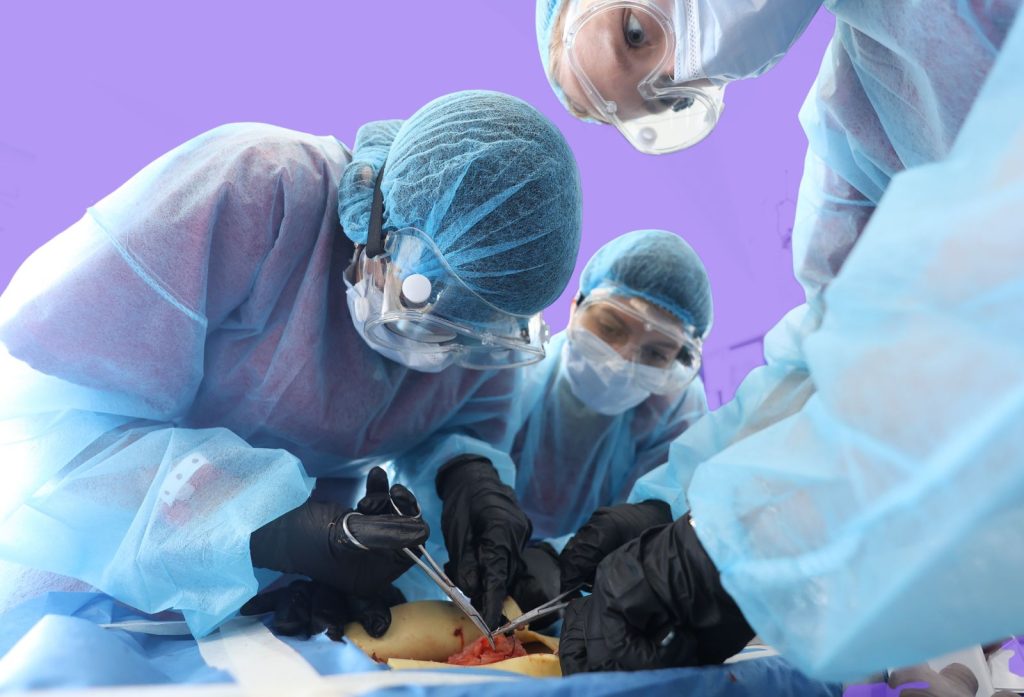
Caring roles, charities, virtual programmes, pharmacies and care homes
If you are still unable to find local medical work experience, then consider a range of other opportunities that are adjacent to a clinical setting. Work experience within care homes, disability charities, in pharmacies or in other parts of the care sector can be just as useful as work experience in a hospital or GP surgery. It is often the case that you will be able to take on more responsibility here than in a clinical setting where you will likely be strictly limited to observing.
When to apply?
Application timelines vary between work experience opportunities. Therefore, you should check the deadlines that are relevant to you as a priority. Most hospitals run their work experience programmes in the summer, often during the school holidays. This means that applications typically take place in the spring. Some hospitals and many GP surgeries accept applications throughout the year.
FAQs:
Q: How do I know if I am old enough to conduct medical work experience?
A: Age restrictions will be listed on the work experience section of the webpage of the hospital to which you are applying. Typically, the youngest that you can be is 16, although some opportunities exist for those 14 and older. Some departments and opportunities may be restricted to those 18 or older. Structured programmes are often aimed at a particular age group. You should apply for the one that fits you.
Q: How do I handle rejection?
A: Medical work experience is highly competitive, with many more applicants than places available. Therefore, it is likely that you will be unsuccessful on at least some of your applications. The best way to handle the disappointment that might arise from rejection is to channel it back into redoubling your efforts to achieve a place at medical school. This might be by submitting further work experience applications or looking for work experience in a related setting such as a care home.
Q: How long do medical work experience placements usually last?
A: The length of medical work experience placements can vary dramatically. Most usually last for between three days and one week. However some placements (such as those available through our partners) can last for up to three weeks, allowing you to fully immerse yourself in what it is like to undertake a career in medicine.
Q: Will I have to be interviewed before being accepted onto medical work experience?
A: Some NHS trusts and health boards may ask to speak with you prior to agreeing to allow you to conduct work experience with them. Study Mind does not interview for our medical work experience programmes.
Comments
0No comments yet. Be the first to ask a question!